


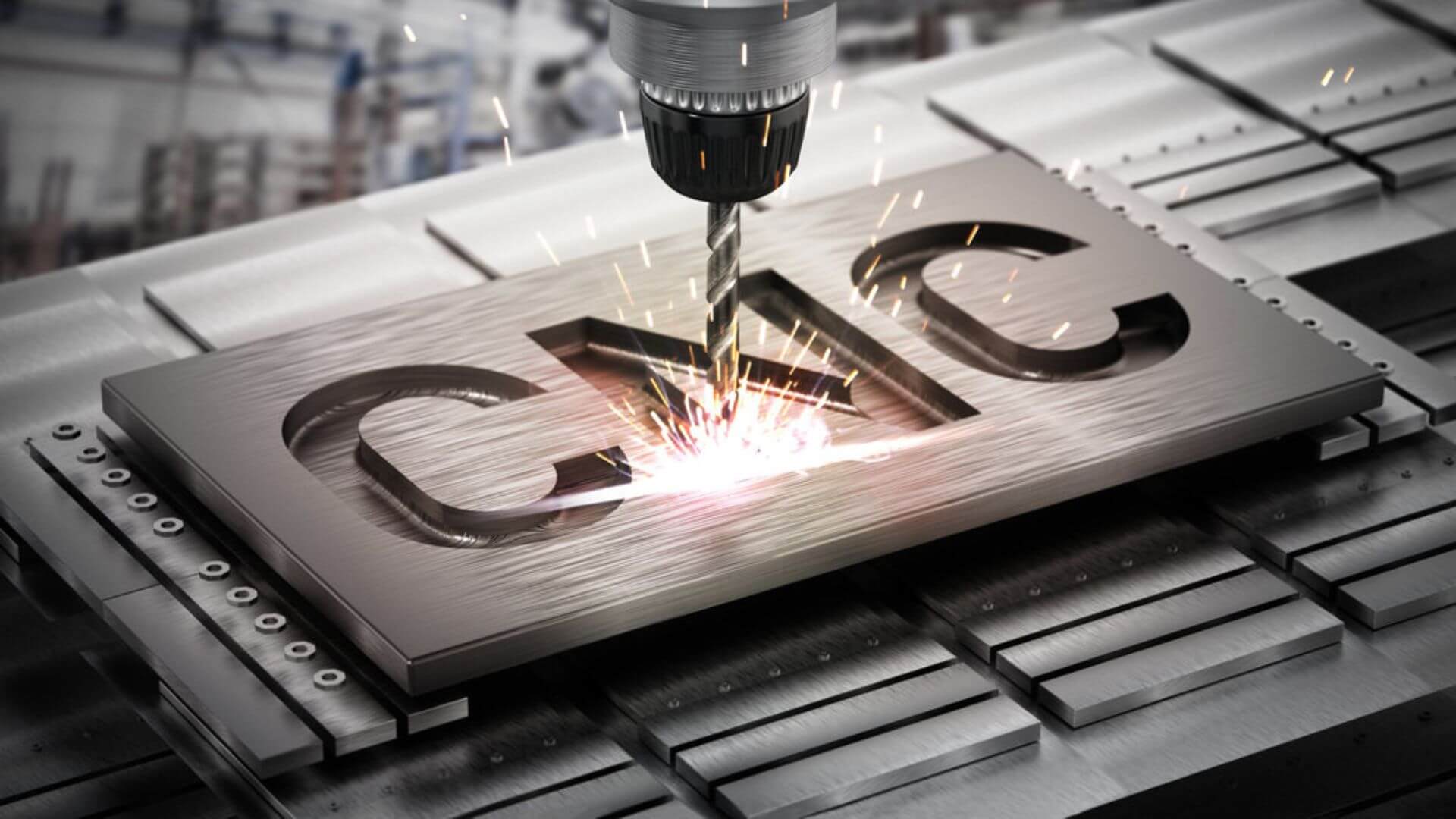
In the era of Industry 4.0, CNC technology has become one of the most significant breakthroughs in modern manufacturing and mechanical engineering. From small workshops to large factories around the world, CNC machines are gradually replacing traditional manual machining methods. They provide higher precision, increased productivity, and efficient mass production.
So, what is CNC technology? How do CNC machines work, and what are their applications in manufacturing? Let’s explore the details in the article below.
What Is CNC Technology?
CNC stands for Computer Numerical Control. It refers to a manufacturing technology that uses computers and specialized software to automatically control machine tools performing operations such as cutting, milling, turning, drilling, grinding, and engraving on various materials, including metal, plastic, wood, and composite materials.
Unlike manual machining—where operators control machines by hand—CNC machining allows the entire manufacturing process to be programmed in advance using commands, typically G-code and M-code. The machine executes the program automatically, ensuring consistent dimensions, high accuracy, and minimal human error.
CNC technology was first developed in the 1950s in the United States, originally for the aerospace and defense industries. Today, it has evolved into a core technology that supports smart manufacturing and automated production systems.
How CNC Machines Work
The CNC machining process typically includes the following main steps:
1. Product Design (CAD – Computer-Aided Design)
Engineers design a 2D or 3D model using software such as AutoCAD, SolidWorks, or Fusion 360.
2. Machining Programming (CAM – Computer-Aided Manufacturing)
The CAD model is converted into toolpaths using CAM software like Mastercam, Fusion 360 CAM, or Siemens NX. The software generates G-code instructions for the CNC machine.
3. CNC Machine Control
The machine controller reads the G-code file and sends signals to servo or stepper motors, which precisely move the machine along the X, Y, and Z axes (and additional rotary axes such as A, B, or C in multi-axis machines).
4. Machining Process
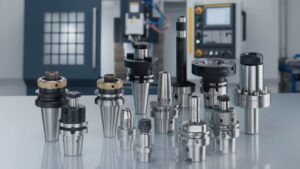
Cutting tools such as end mills, turning inserts, and drills remove material according to the programmed toolpath.
5. Inspection and Finishing
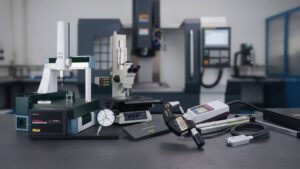
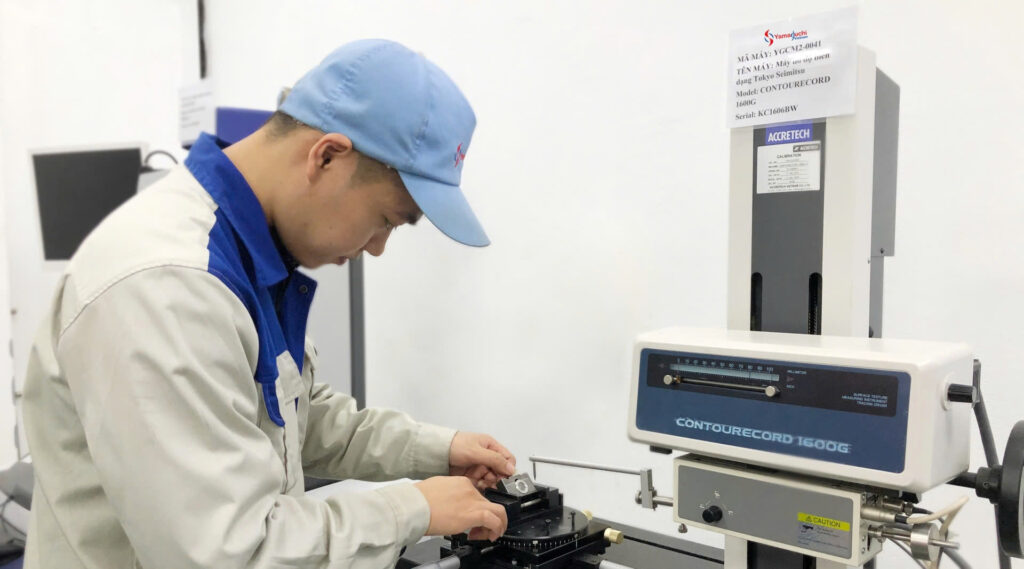
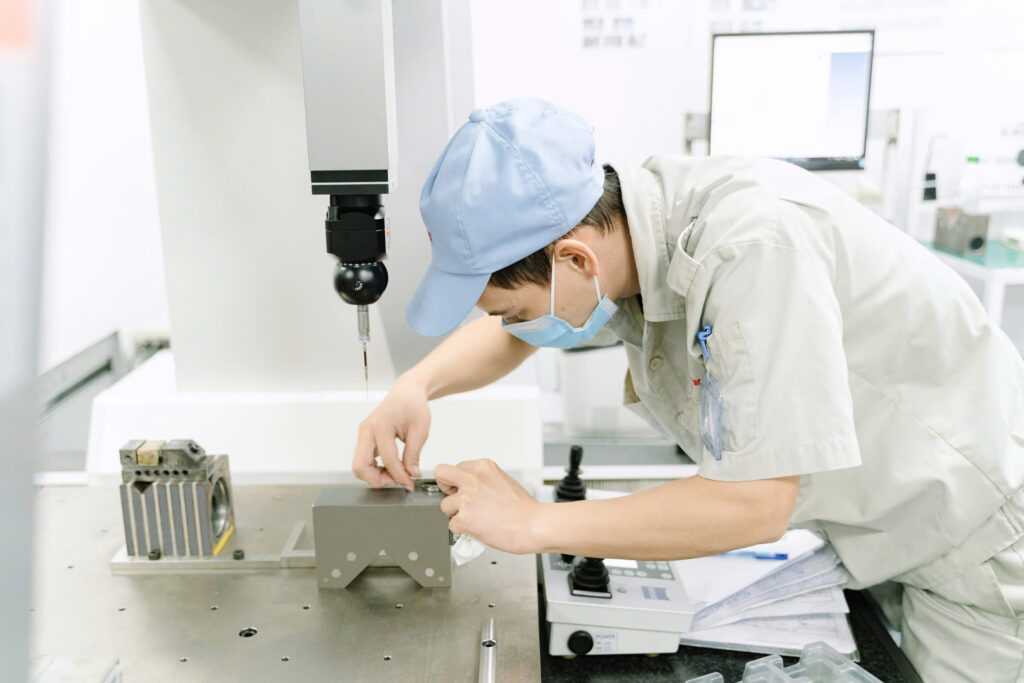
After machining, the finished parts are inspected using precision measuring instruments like CMM machines, micrometers, or calipers to ensure quality standards.
Modern CNC machines can operate 24/7 with precision up to ±0.001 mm, making them ideal for producing complex components.
Advantages of CNC Technology
Compared with traditional machining methods, CNC machining offers several key advantages:
- High precision and repeatability: CNC machines produce identical parts with minimal tolerance errors, making them perfect for mass production.
- Higher productivity: Machining processes are faster and machines can run continuously without fatigue.
- Reduced material waste: Optimized toolpaths reduce unnecessary material removal.
- High flexibility: Design changes can be implemented quickly by modifying the CNC program rather than creating new molds.
- Improved safety: Automation reduces direct human interaction with dangerous machine operations.
- Lower long-term costs: Although the initial investment is high, CNC machines reduce labor costs and production errors over time.
Disadvantages of CNC Machines
Despite their many benefits, CNC machines also have some limitations:
- High initial investment: Quality CNC machines from brands such as Haas, Mazak, or DMG Mori can cost from tens of thousands to hundreds of thousands of dollars.
- Requires skilled operators: CNC programming and operation require trained professionals with CAD/CAM knowledge.
- Not ideal for small production runs: Programming and setup costs may be high for producing only a few parts.
- Dependence on electricity and software: Power outages or software errors can interrupt production.
Applications of CNC Machines in Manufacturing
Today, CNC technology is widely used across many industries. Some of the most common applications include:
- Mechanical Engineering: Manufacturing precision components such as gears, shafts, machine housings, and molds.
- Automotive and Motorcycle Manufacturing: Producing engine blocks, pistons, wheels, chassis components, and automotive parts.
- Aerospace Industry: Machining complex components like turbine blades, aircraft frames, and engine parts, which require extremely high precision.
- Medical Equipment: Manufacturing surgical instruments, dental implants, prosthetics, and medical devices.
- Electronics Industry: Producing smartphone housings, computer components, circuit boards, and injection molds.
- Furniture and Woodworking: CNC routers are widely used to cut and engrave wood panels, cabinets, furniture, and decorative elements.
- Advertising and Signage: CNC machines are used for laser engraving, acrylic cutting, aluminum composite panels, signage production, and personalized gifts.
The Future of CNC Technology
With the development of Artificial Intelligence (AI), the Internet of Things (IoT), and automation, CNC machines are evolving into Smart CNC systems. These machines integrate sensors for real-time monitoring, predictive maintenance, and cloud connectivity, helping manufacturers optimize productivity and reduce downtime.
In Vietnam, digital transformation initiatives are encouraging mechanical manufacturers to adopt advanced CNC technologies, improving competitiveness in the global supply chain.
Conclusion
CNC technology is no longer just a machining method—it has become a critical factor determining a company’s competitiveness in modern manufacturing. With high precision, productivity, and versatile applications, CNC machines play an essential role in advancing the mechanical industry worldwide.
If you are considering investing in CNC machines or learning CNC programming, now is the perfect time to get started. Partner with trusted suppliers or enroll in professional training programs to take advantage of this powerful technology.